
What Is a Home Inspection and Do You Need One?
Buying a home is one of the biggest financial decisions most people make. It's exciting to find a place that feels right, but before you remove conditions and head toward closing, there's one step worth prioritizing: the home inspection.
An inspection uncovers structural or mechanical issues that aren't obvious during a regular showing, and gives you a clearer picture of the home's condition and future maintenance. Inspections aren't legally required in Ontario, but they're one of the best risk-management tools a buyer has. The Canada Mortgage and Housing Corporation also recommends them to help buyers understand a property before they commit.
What a home inspection is
It's a professional, non-invasive visual review of a home's major systems and components. The inspector looks at what's visible and flags anything that may need repair, maintenance, or a closer look by a specialist. A typical inspection covers the foundation and structure, roof and attic, plumbing, electrical, heating and cooling, insulation and ventilation, and the interior and exterior. Afterward you get a written report with photos and recommendations.
What it doesn't do
Many first-time buyers think an inspection is pass-or-fail. It isn't. The inspector won't tell you whether to buy or what the home is worth. They also can't predict future failures, see behind walls, or guarantee a home is problem-free. It's an assessment of what's visible on the day.
Do you really need one?
In most cases, yes. It's often one of the smaller costs in a purchase, and it can save you thousands. Inspections commonly turn up roof wear, foundation movement, plumbing leaks, electrical issues, moisture problems, and aging HVAC. Finding those before closing gives you room to negotiate repairs, ask for a credit or price change, budget for the work, or walk away if something major shows up.
What happens during it
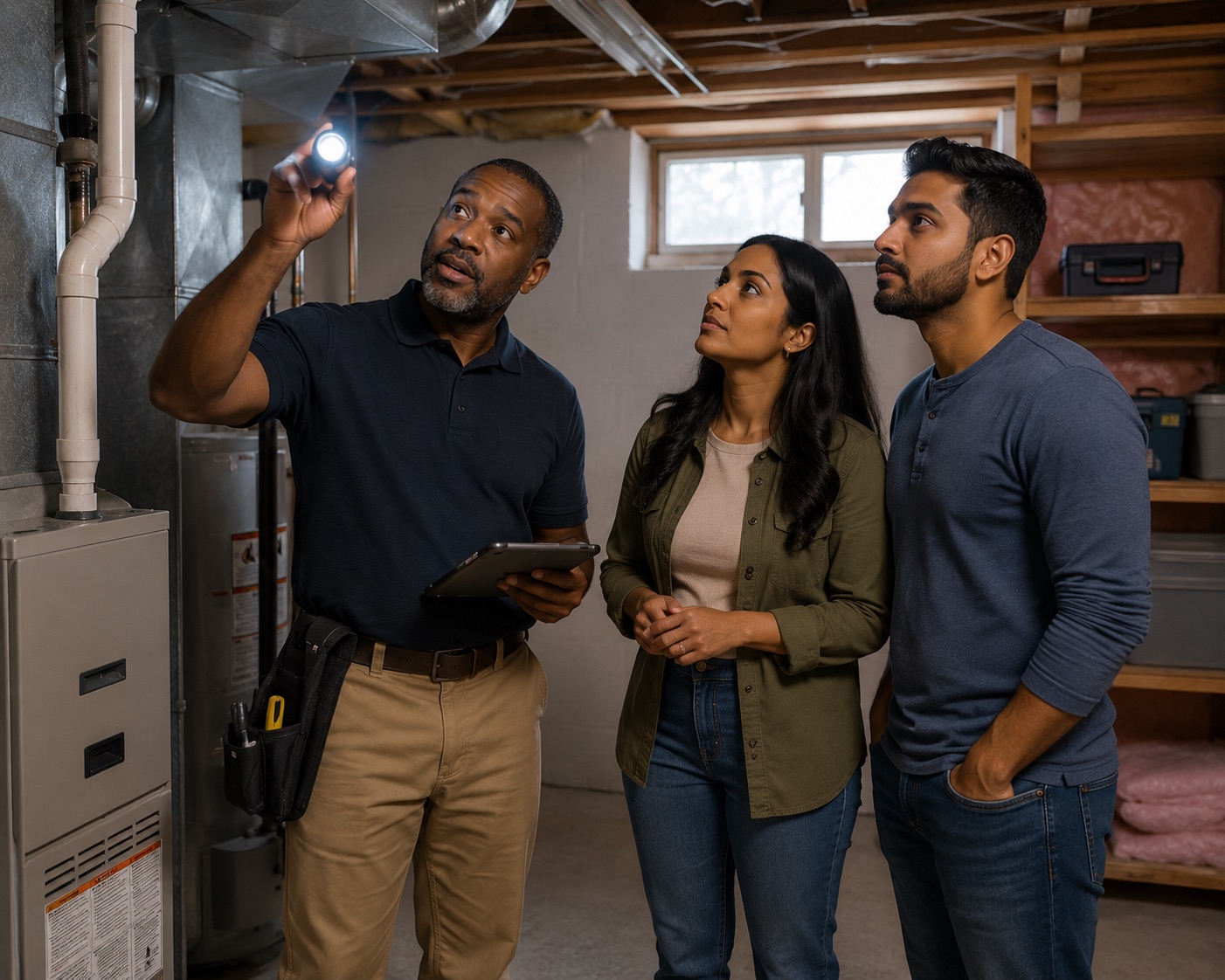
Most inspections take two to four hours depending on the home. I always encourage buyers to attend. Walking through with the inspector lets you ask questions, learn how the systems work, and find the shut-off valves, which makes the report far more useful later.
Choosing a good inspector here
Experience matters, especially in an area that ranges from historic stone homes in Elora to newer subdivisions in Fergus. Look for proper certifications, experience with homes like the one you're buying, clear sample reports, strong reviews, and errors and omissions insurance.
What tends to come up locally
Older Elora and downtown Fergus homes often have stone foundations, older plumbing or wiring, and aging roofs. Newer subdivisions can show grading or drainage issues, thin attic insulation, or minor construction items. Knowing the home's strengths and weaknesses is what lets you decide with confidence.
If you're buying in Fergus, Elora, or Centre Wellington, get in touch and I'll connect you with trusted local professionals. The Buyer's Guide walks through the rest of the process, and you can browse featured listings anytime.